
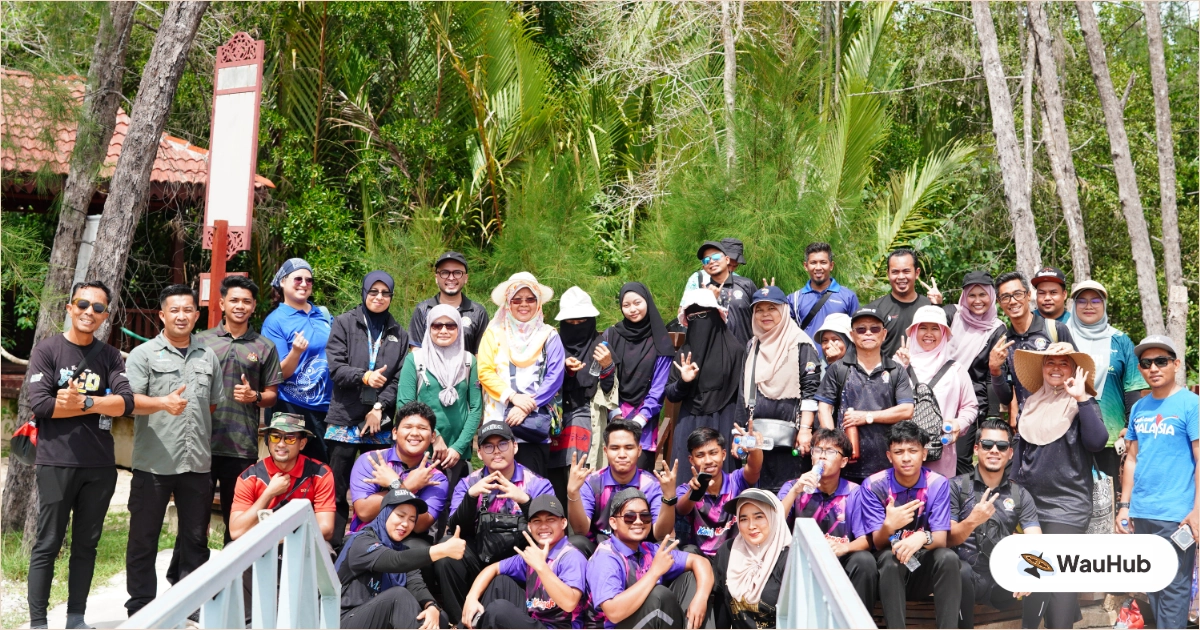
Our founder is a registered tour guide with MOTAC. When Tourism Malaysia Wilayah Timur and TCNGA (Persatuan Pemandu Pelancong Bandar & Alam Semulajadi Terengganu) invited tour guides to experience eco tourism products in Setiu, Terengganu first-hand, he packed a bag and hit the road.
The programme was called Pengenalan Produk Eco Tourism Setiu 2026. Three days, one wetland ecosystem, and a crash course in what sustainable tourism looks like when local communities run the show.
This is not a press release. This is what we actually saw, ate, and learned.
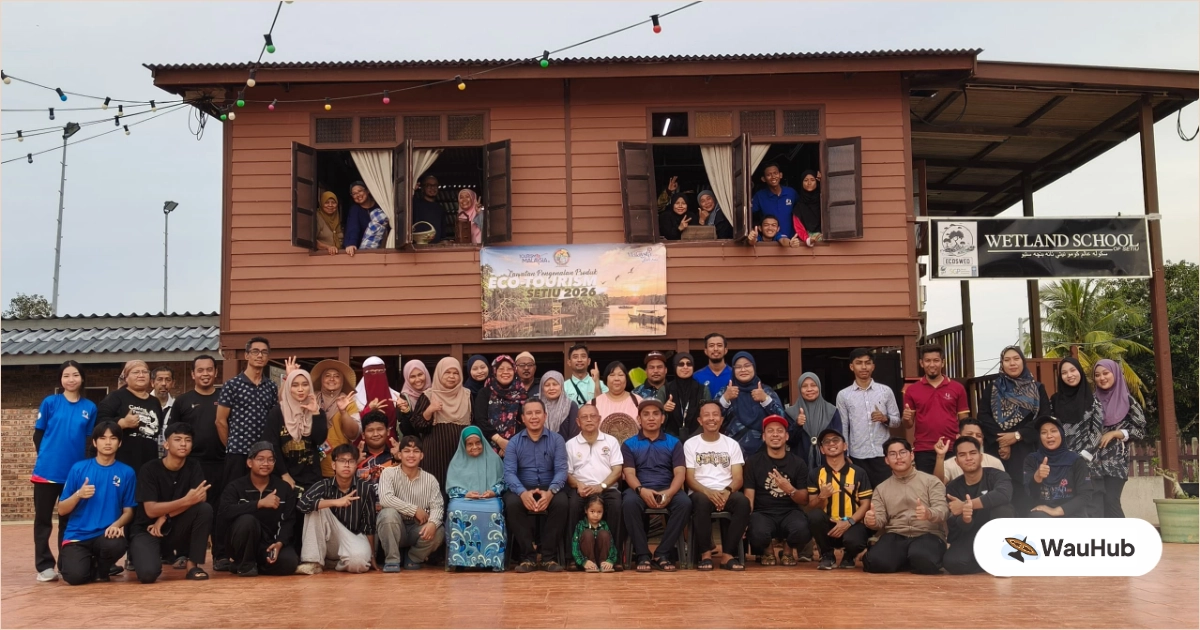
Day 1: KL to Kuala Terengganu via the Pantai Road
26 July 2026 (Saturday)
Four of us left KL early and took the pantai road up the east coast. If you have never driven the coastal route from Cherating northward to Kuala Terengganu, put it on your list. The South China Sea sits on your right for hours, broken up by fishing villages and coconut groves.
We arrived in Kuala Terengganu by evening, checked in, and rested. The real programme started the next morning.
Day 2: Setiu Wetland, Full Immersion
27 July 2026 (Monday)
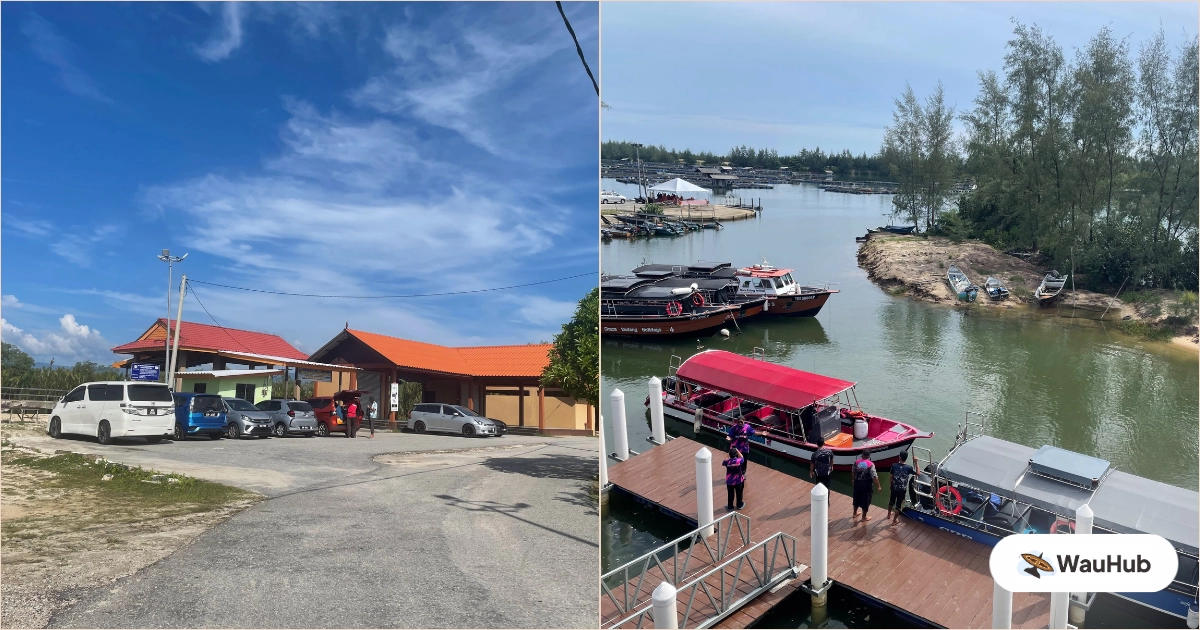
Registration at 7am. Briefing at 8am. By 9:30am we were at Jeti Pelancongan Kampung Mangkuk, boarding boats into the wetland.
Setiu Wetland State Park
The boat ride into Taman Negeri Setiu Wetland is short but the landscape shifts immediately. Mangrove roots rise from dark water, birdlife is everywhere, and the air smells different from the coast.
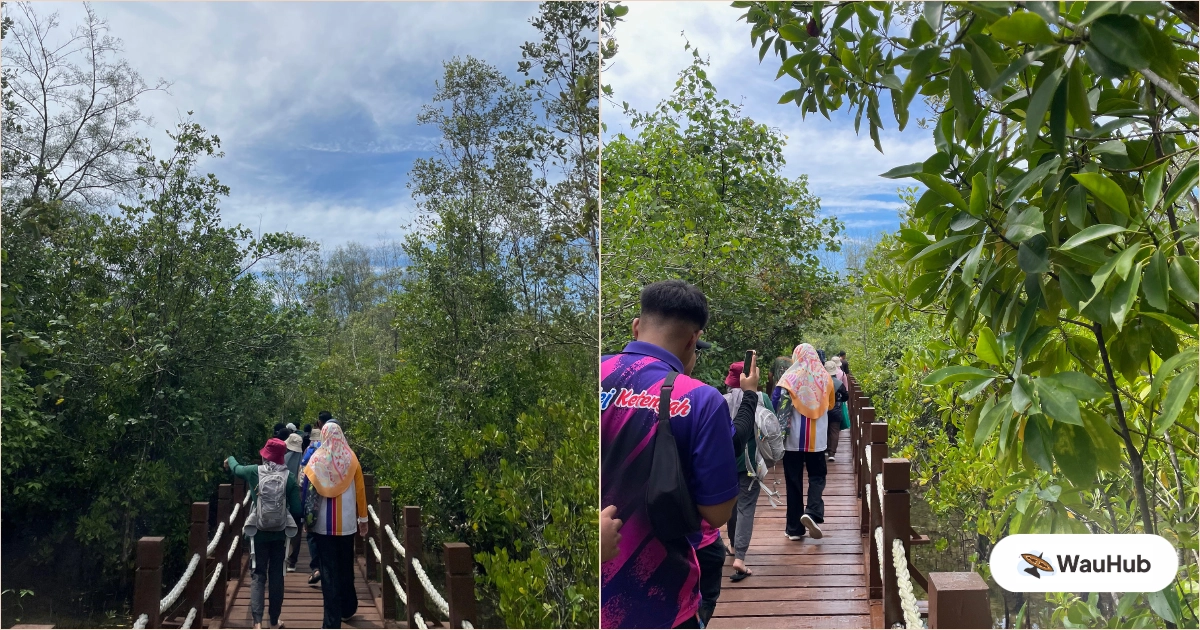
We received a briefing on the wetland’s ecosystem functions. Setiu Wetland is one of the few remaining intact wetland systems on the east coast. It supports nine interconnected habitats: open sea, beach, mudflat, riverine, mangrove, freshwater marsh, lotus lake, gelam forest, and hill dipterocarp.
The suspension bridge (jambatan gantung) gives you an elevated view across the canopy. Standing above the mangrove, you start to understand why this place matters.
Sangkar Ikan and Shellfish Foraging
After the wetland briefing, we saw fish cages (sangkar ikan) during our boat trip where local operators farm fish in the estuary.
Then the hands-on activities started. The boat dropped us in the middle of the river where the water is shallow, at Pulau Busung, to dig for lokan (clams), followed by harvesting kepah and river oysters. They provided all the tools and containers. You just wade in and start digging.
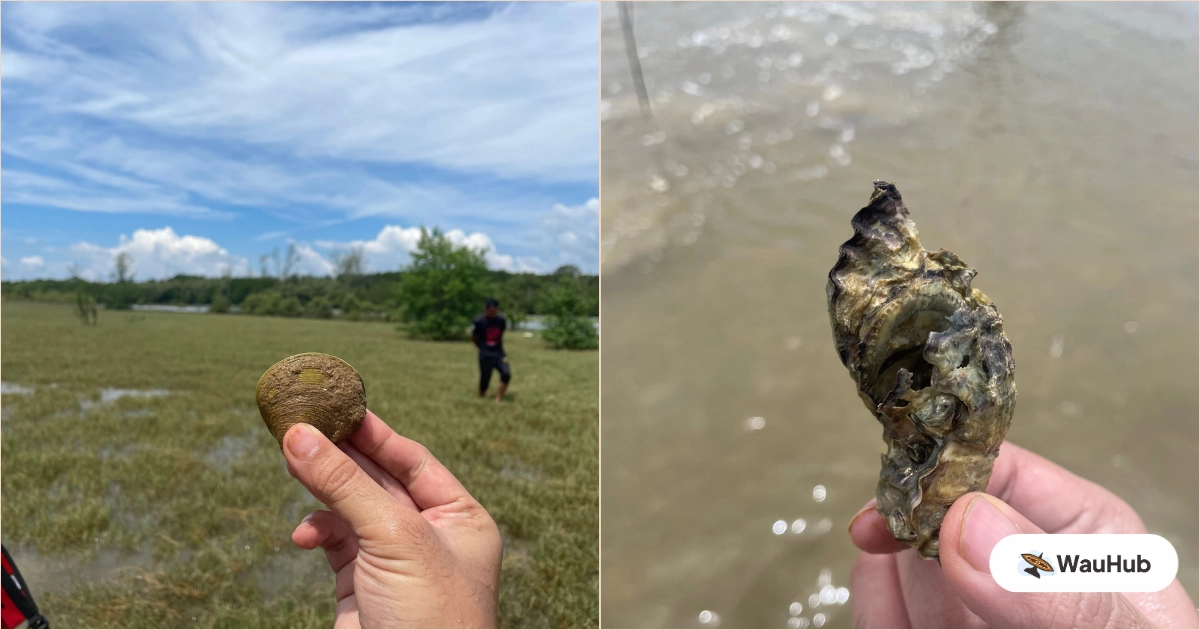
This is what eco tourism should be. Not watching from a distance, but participating in the local economy directly.
Lunch: Kampung BBQ by the Water
By 1:30pm we were hungry. Lunch was a kampung-style picnic with BBQ kerangan (shellfish), local rice dishes, and fresh catches from the morning. Eaten outdoors, nature-style picnic by the water.
No restaurant needed. The wetland is both the source and the dining room.
Wetland School of Setiu
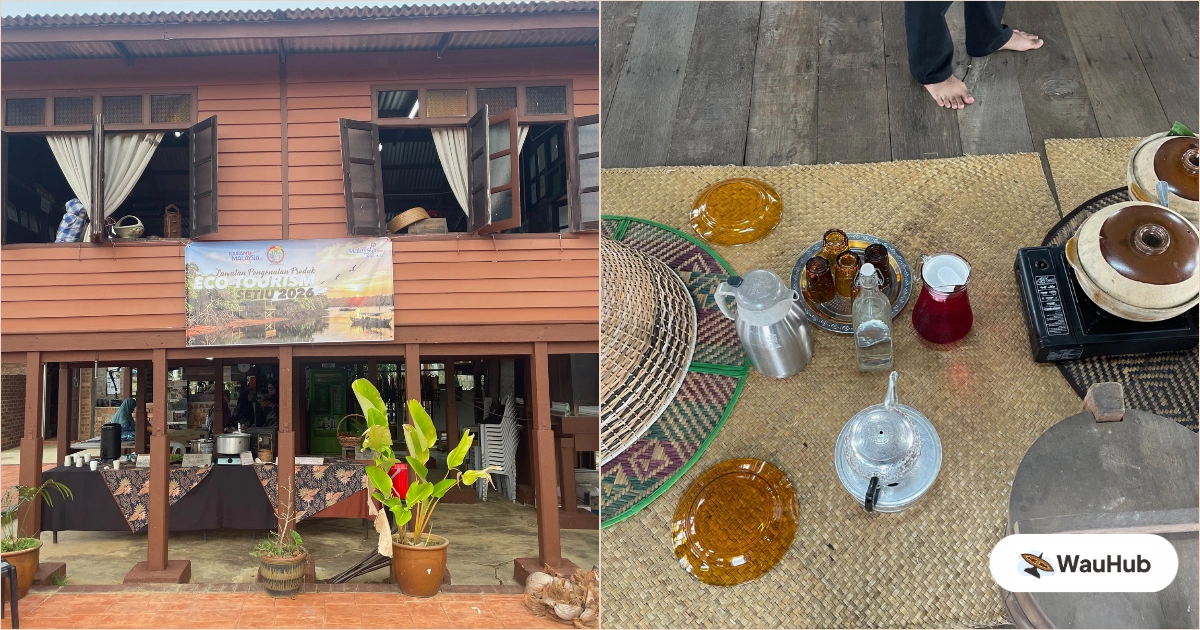
After lunch, we stopped at the Wetland School. This is a community-run education centre where visitors learn about local heritage, traditional crafts, and the wetland ecosystem from villagers who have lived here for generations.
Evening at Pantai Mangkuk
By late afternoon we were back at the coast. Lempeng nyior (coconut flatbread) was served alongside traditional performances. The evening turned into a santai session with local tourism operators, discussing their products and what tour guides could bring to the table.
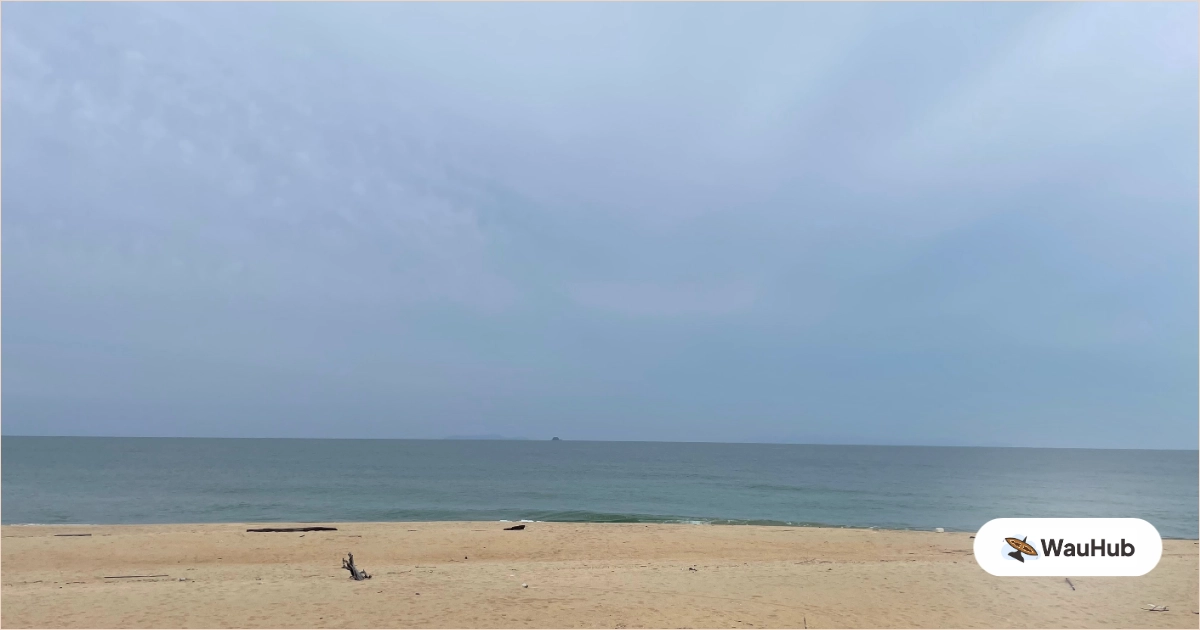
We slept at Pantai Mangkuk that night. Beach Chalet with the sound of waves.
Day 3: Turtles, Ayam Kampung, and a Waterfall
28 July 2026 (Tuesday)
Kontena Tuntung (Turtle Conservation)
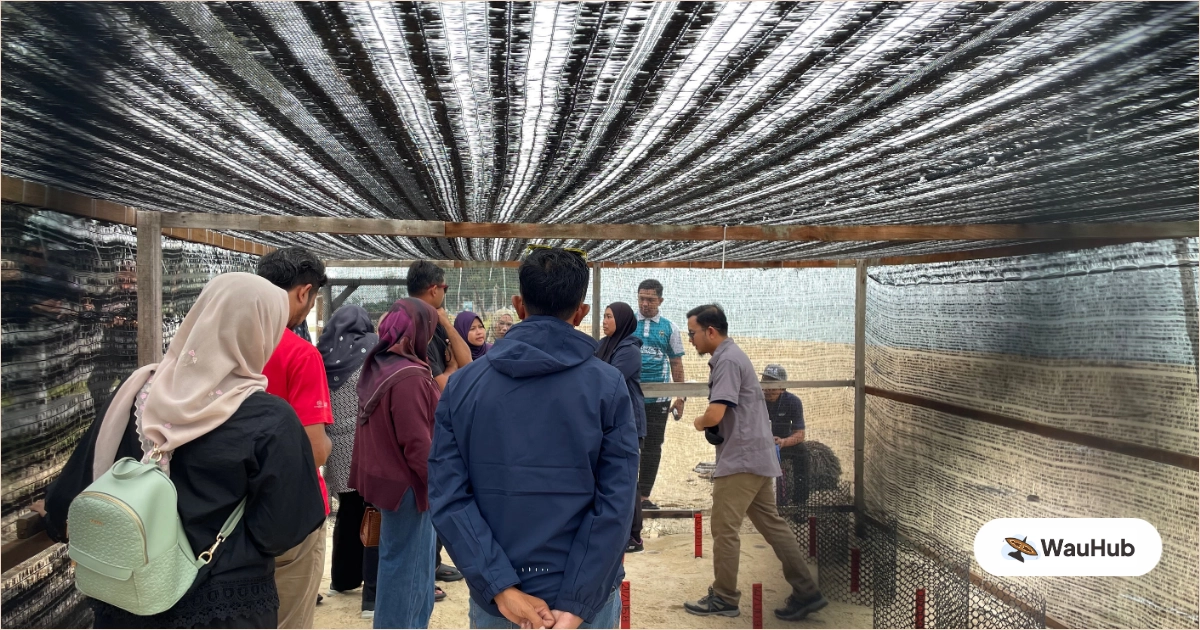
Morning started with a visit to Kontena Tuntung at Pantai Mangkuk. This is a turtle conservation project using modified containers to protect turtle nests and hatchlings.
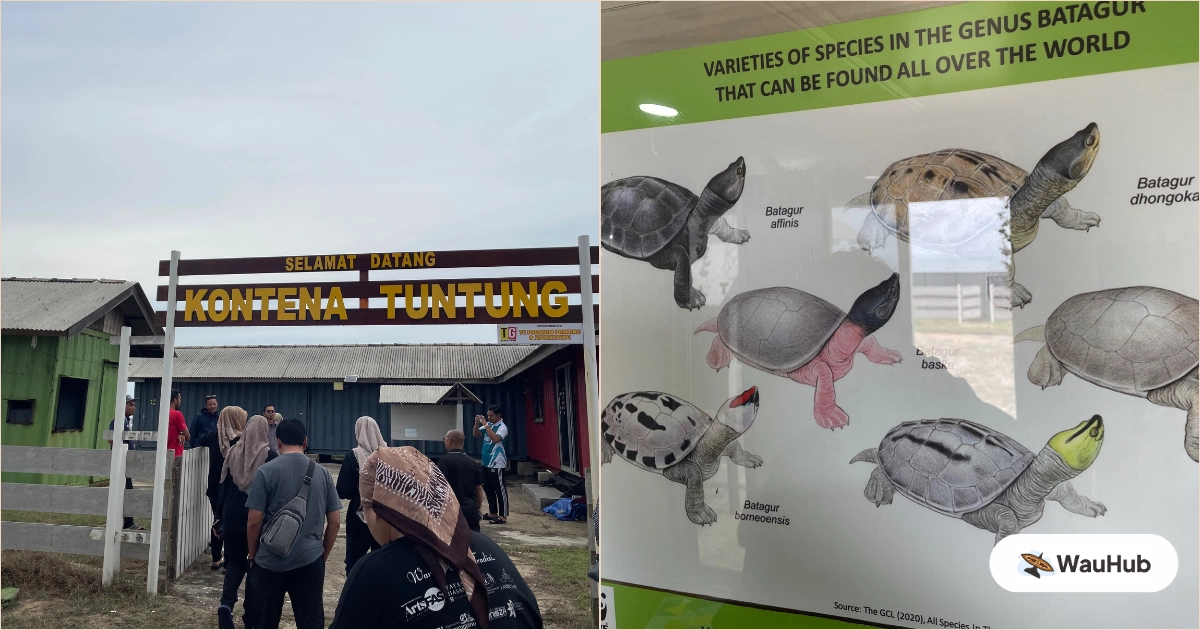
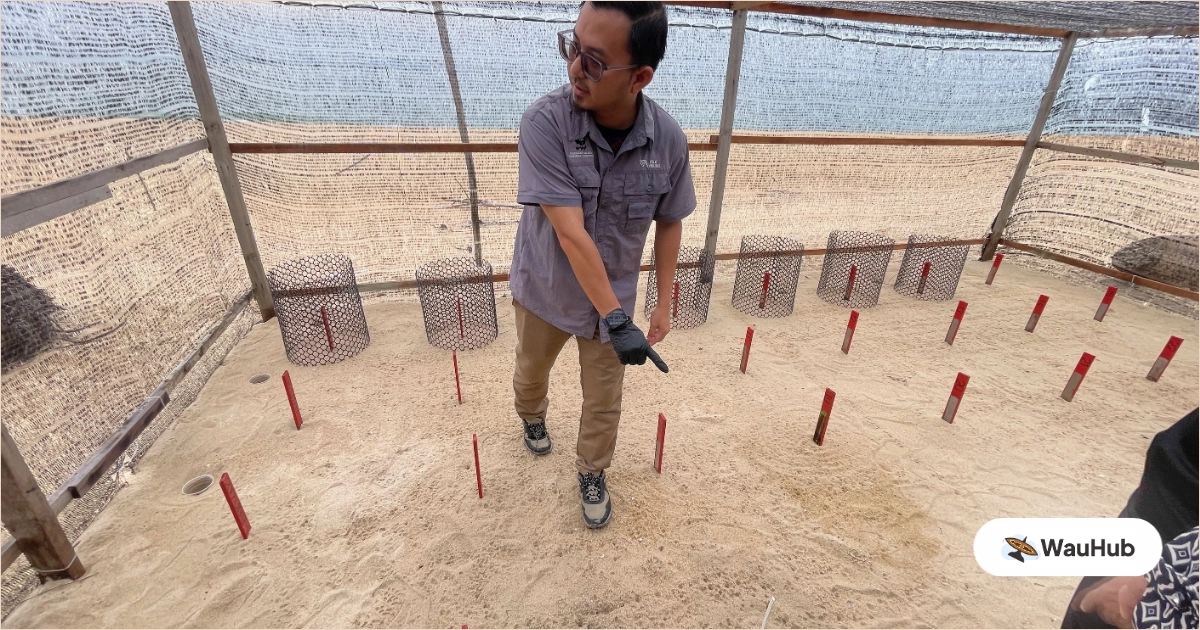
An expert explained the conservation efforts: how eggs are relocated to safe containers, monitored, and hatchlings released. Terengganu’s beaches are critical nesting grounds for several turtle species, and projects like this keep those populations alive.
Lunch: Cik Ani’s Ayam Kampung
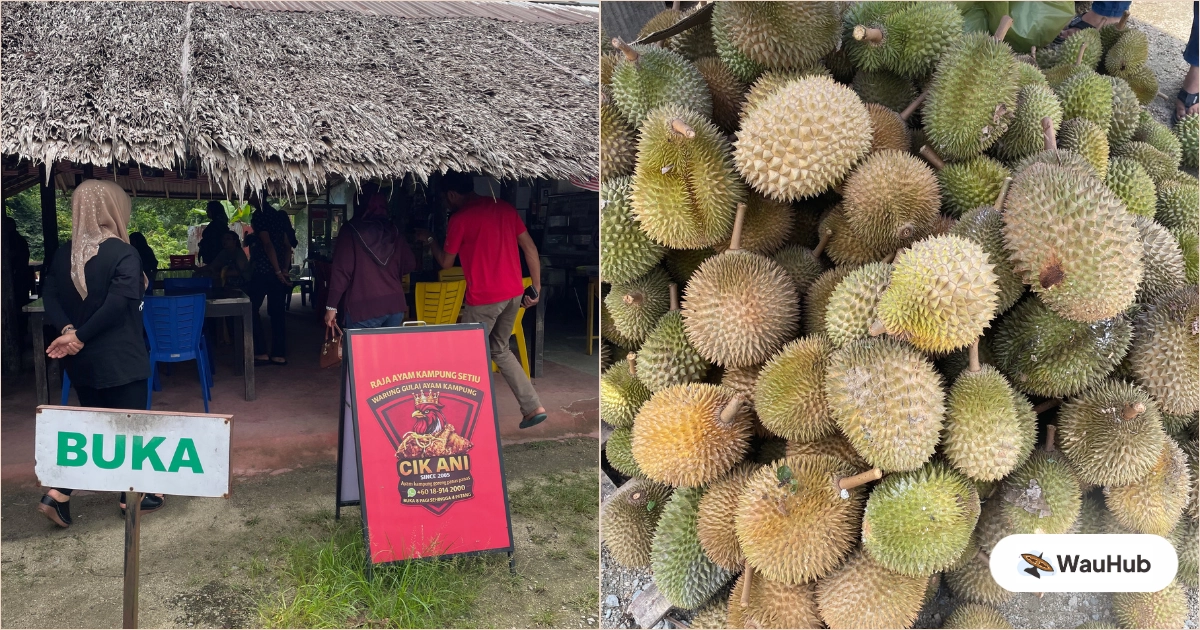
Next stop was Restoran Cik Ani in Setiu, famous for ayam kampung (free-range chicken). This is the kind of food destination that tour guides need to know about. Authentic, local, affordable, and memorable. After that, we found some durian kampung near the village.
Lata Hulu Kekabu
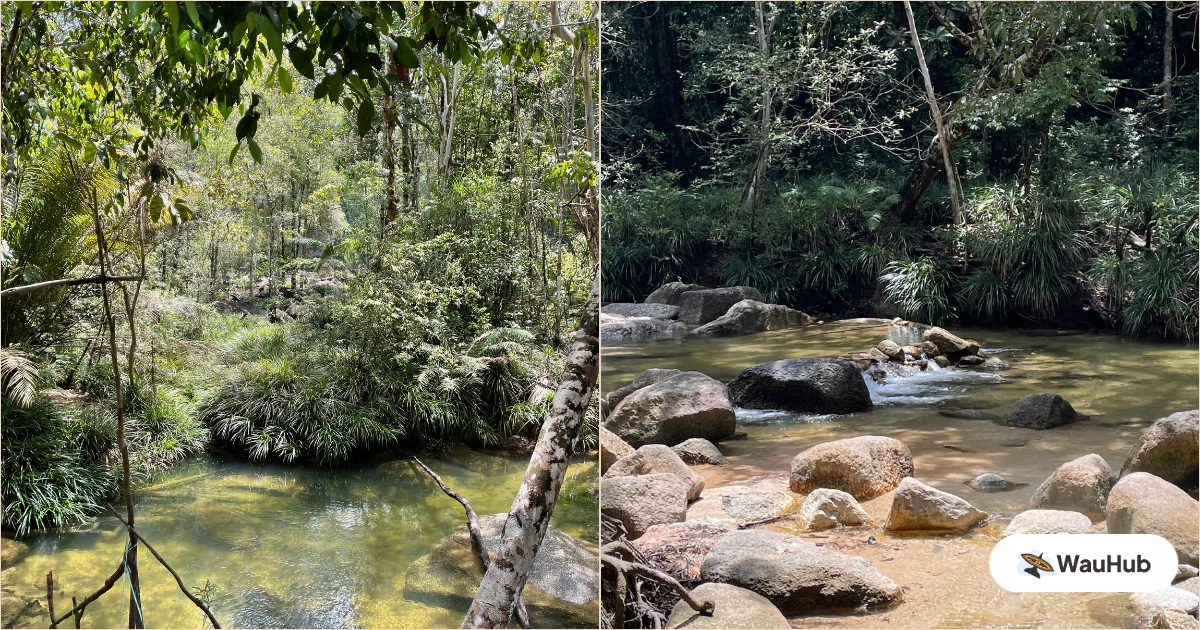
The final activity was a trip to Lata Hulu Kekabu, a waterfall deeper inland. We had a picnic there while the organisers shared product updates and discussed how tour guides could package these experiences for tourists. This area is very remote and far from the main road. It is advisable to use a proper SUV or 4x4 to get here. The state government is still developing this area, so there are no toilets or any facilities yet.
But the locals call this area “Hutan Avatar”. It is beautiful and has emerald pools.
Pasar Payang and Home
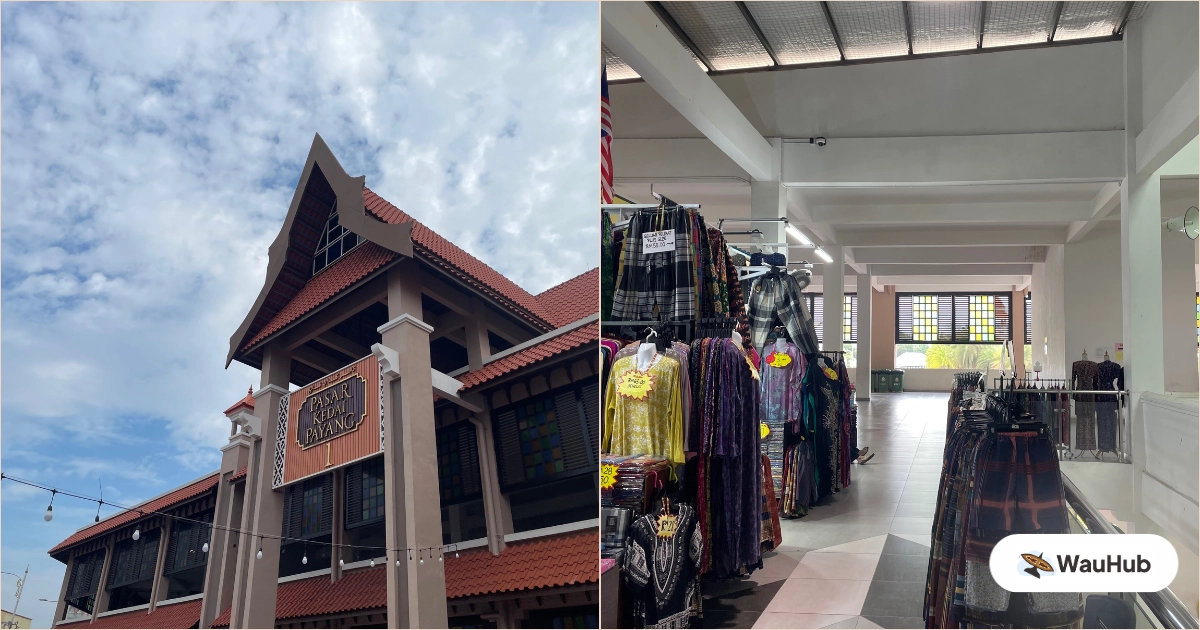
After the programme wrapped, we made a quick stop at Pasar Payang in Kuala Terengganu. No trip to Terengganu is complete without walking through this market. Fresh fish, keropok lekor, batik, and local kuih all under one roof.
Then it was time to drive home to KL.
Why Setiu Should Be on Your Radar
You cannot sell what you have not experienced. That is the whole point of familiarisation trips like this. You walk the ground, eat the food, talk to the operators, and come back knowing exactly what to tell your clients.
Setiu is seasonal. Do not bring guests here during monsoon season (November to February). The boats do not run, the water rises, and the whole wetland becomes inaccessible. But from March to October, this place is quietly beautiful and completely unhurried.
We noticed something interesting: European tourists already know about this area. We saw groups of them doing the mangrove boat tours and wetland walks. They use Setiu as a slow, nature-focused stop before heading to the islands at Merang (Redang, Lang Tengah). Smart itinerary. The chill pace here is the perfect counterweight to a beach resort.
For Malaysian agencies running Terengganu packages, this is an opportunity. Most domestic itineraries skip straight to the islands. Adding Setiu between Kuala Terengganu and Merang gives your clients something different: hands-on eco activities, turtle conservation, waterfall picnics, and village-level food experiences that feel real.
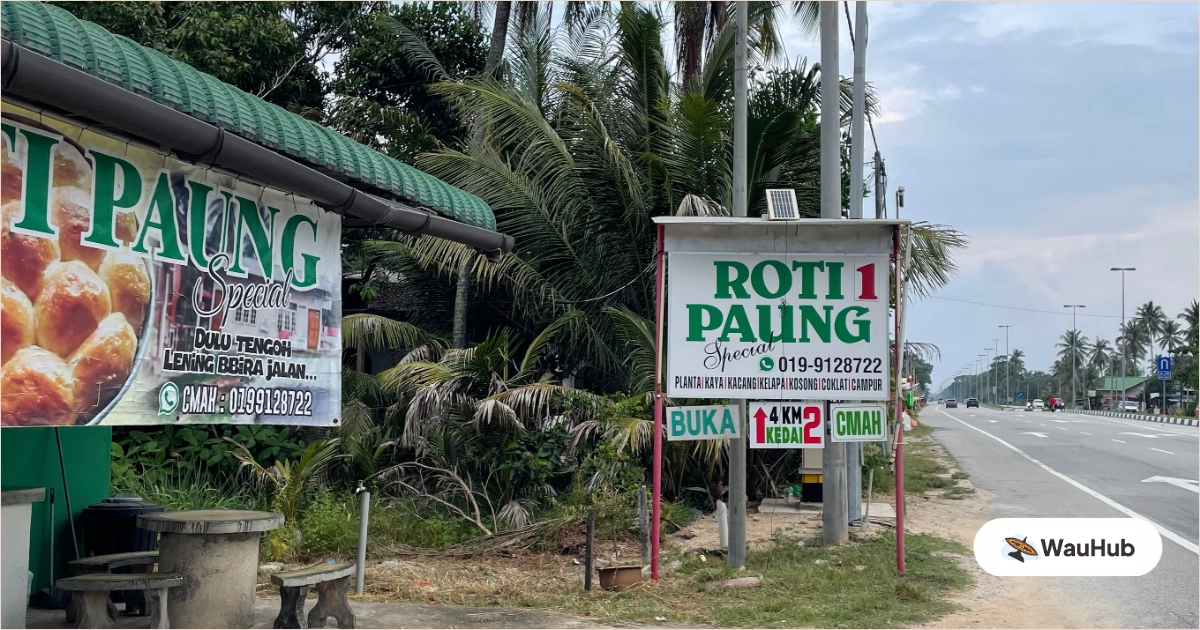
Speaking of food. The whole Setiu-Penarik stretch is celup tepung territory. Roadside stalls everywhere frying sotong celup tepung, udang celup tepung, ikan celup tepung. The sotong here is fresh from the boats and the batter is light. If your clients like street food, they will not want to leave.
What makes Setiu work as a tour product:
- Seasonal (March to October), plan accordingly
- European tourists already visit for mangrove and boat experiences
- Hands-on activities: shellfish foraging, not just sightseeing
- Kontena Tuntung turtle conservation is educational and family-friendly
- Food angle is strong: ayam kampung, kerangan BBQ, lempeng nyior, and endless celup tepung
- Lata Hulu Kekabu adds an inland waterfall option
- Community-run, money goes directly to villagers
- Relaxed pace, perfect as a pre-island stop
Useful Links
If you are planning a trip or building a package for Setiu, these are worth bookmarking:
- Setiu Wetland Official Website — Activities, packages, and booking info for the wetland
- Tourism Malaysia — Official tourism board
- TCNGA Facebook — Persatuan Pemandu Pelancong Bandar & Alam Semulajadi Terengganu
- WWF-Malaysia Setiu Wetlands — Conservation background and painted terrapin info
- Visit Malaysia 2026-2027 — VM2026 campaign and travel ideas
Build Better Tour Packages
At WauHub, we build software for Malaysian travel agencies that want to manage bookings, track passengers, and run their operations without the spreadsheet chaos. If you are putting together eco tourism packages for Terengganu, you need a system that handles the complexity of multi-day, multi-activity tours.