
Your Facebook ad runs 24 hours a day. Your customer sees it at 10:37 PM while scrolling in bed. They click. They WhatsApp you. They are excited. They want to book a Bali trip for next month.
Your office closed at 6 PM. Nobody replies until 9 AM tomorrow. By then, the customer has already messaged three other agencies. Two of them replied last night. One already sent a quotation.
You lost the booking before your office even opened.
This is the reality of travel sales in 2026. Customers do not enquire during business hours. They enquire when they have free time. After work. After dinner. On weekends. During lunch breaks. At 2 AM when they cannot sleep and start dreaming about holidays.
And here is the thing: with diesel at RM6.02 and RON95 at RM3.87 unsubsidised, asking your staff to drive back to the office for an evening shift is not realistic. But asking them to open their laptop at home after dinner? That costs zero petrol.
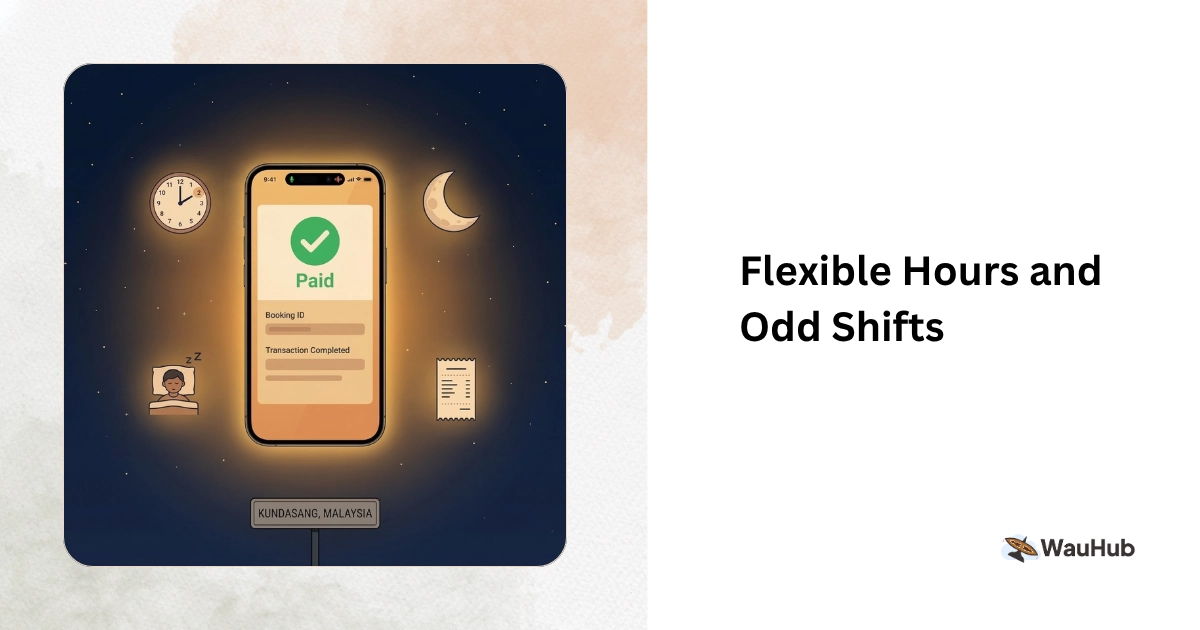
This is Part 3 of our Cost-Cutting and Efficiency Series. Part 1 covered cutting costs during the fuel crisis. Part 2 covered remote work to save on minyak. Now we cover how to capture bookings around the clock without paying for a 24/7 office or burning extra fuel.
When Do Travel Customers Actually Enquire?
Think about your own WhatsApp. When do the messages flood in? It is not at 10 AM when your team is fresh and ready. It is at night.
Most travel enquiries come after office hours. Makes sense if you think about it. Your customers are working people. They are busy during the day. They only have time to think about holidays after work, after dinner, after the kids are asleep. That is when they scroll Facebook, see your ad, and WhatsApp you.
The evening rush — roughly 7 PM to 10 PM — is when most agencies see the heaviest enquiry volume. Weekends too. Saturday morning, Sunday afternoon. That is when families sit together and plan trips.
Then there is the after-lunch slump. Your staff come back from lunch at 2 PM, feeling slow. Meanwhile, customers who browsed your packages during their own lunch break are now sending follow-up questions. Your team takes longer to reply. Response quality drops. Some leads go unanswered until 3 or 4 PM.
If your agency only operates 9 to 6 with everyone in the office, you are missing the busiest hours and underperforming during the slow ones.
The Old Way: Overtime and Burnout
Some agencies try to solve this by asking staff to work longer hours. “Just reply to WhatsApp after dinner.” “Check messages before bed.” “Handle weekend enquiries from your phone.”
This leads to:
- Burnout: Staff who are always “on” eventually break. Turnover increases. Training costs go up.
- Inconsistency: Tired staff give worse responses. Mistakes happen. Customers notice.
- Resentment: Unpaid overtime destroys morale. Your best people leave for agencies with better boundaries.
- Legal issues: Malaysian employment law has rules about working hours and overtime. Informal “just check WhatsApp” arrangements can create problems.
And now add the fuel cost angle. If you ask staff to come back to the office for an evening shift, that is another round trip. Another RM15 to RM30 in petrol and tolls. Every day. Nobody wants that in April 2026.
The answer is not making people work more hours in the office. It is making the hours they work more effective from home, and letting technology handle the rest.
The Flexible Shift Model (WFH-Powered)
Instead of everyone working 9 to 6 in the office, split your team into flexible shifts that cover the hours that matter. Evening and weekend shifts work from home. Zero commute cost.
Option A: Two-Shift Model (Most Common)
| Shift | Hours | Location | Focus |
|---|---|---|---|
| Morning | 9 AM - 4 PM | Office or home | New leads, quotations, supplier coordination, admin |
| Evening | 3 PM - 10 PM | Home only | Lead follow-ups, evening enquiries, payment collection |
One hour overlap (3 PM to 4 PM) for handover. The evening shift catches the 6 PM to 10 PM peak that most agencies miss entirely.
Staffing example (4-person team):
- Morning: 2 consultants (office or home, depending on the day)
- Evening: 1 consultant (always from home)
- Overlap: Brief handover via system notes
The evening consultant works from home on their phone and laptop. No office needed. No petrol burned. They handle the evening rush, respond to leads, send quotations, and close bookings. When they log off at 10 PM, the system continues collecting payments via payment links.
Fuel savings: The evening shift person saves their entire daily commute cost. At RM30 per day (petrol + tolls), that is RM660 per month saved personally. And your agency does not need to keep the office open and air-conditioned until 10 PM.
Option B: Staggered Hours
Instead of fixed shifts, let each team member choose their hours within a range:
| Team Member | Working Hours | Location | Reason |
|---|---|---|---|
| Sarah | 8 AM - 4 PM | Home | School run at 3:30 PM, avoids morning jam |
| Ahmad | 10 AM - 6 PM | Office (Tue/Thu), Home (Mon/Wed/Fri) | Prefers late mornings |
| Nadia | 2 PM - 10 PM | Home | Handles evening peak, no commute |
| Hafiz | 9 AM - 5 PM | Office (Mon/Wed), Home (rest) | Team lead, in-office for meetings |
Coverage: 8 AM to 10 PM. No overtime. Everyone works 8 hours. Everyone works hours that suit their life. Most days, most people work from home.
Total team commute: instead of 4 people driving 5 days a week (20 commute days), you have maybe 4 to 6 commute days per week. That is a massive reduction in fuel consumption for your team.
The key requirement: a cloud system that everyone accesses from anywhere. When Sarah logs off at 4 PM, Nadia picks up her pending leads seamlessly because they share the same dashboard.
Option C: Weekend Rotation
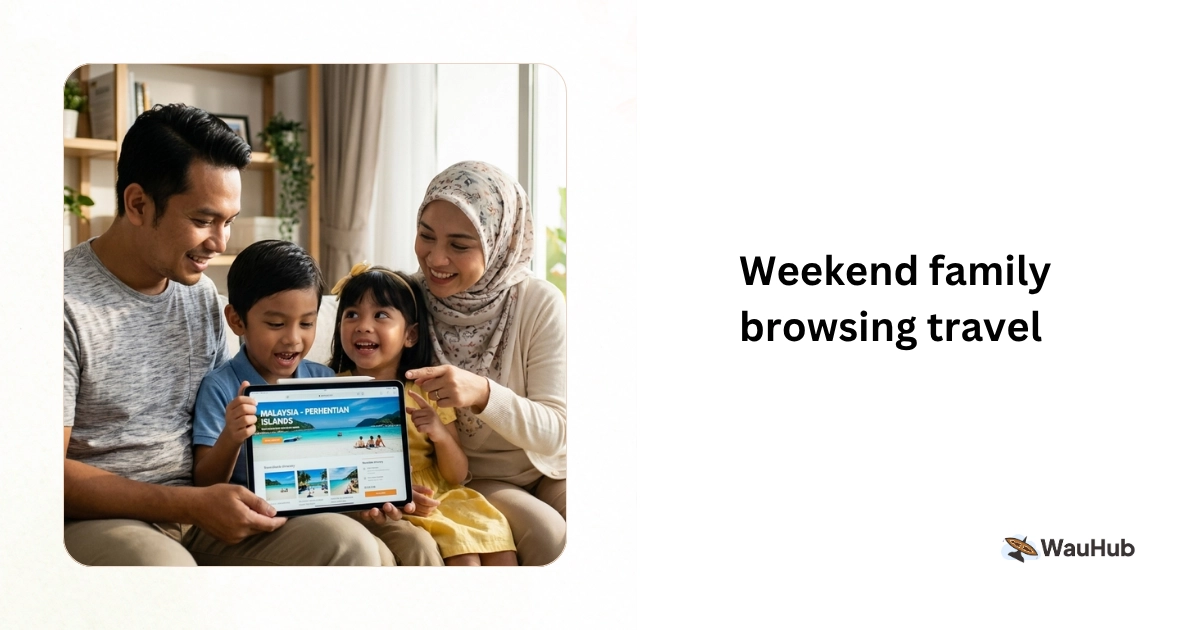
Weekends are prime booking time. Families browse packages on Saturday morning. Couples plan trips on Sunday afternoon.
Instead of asking everyone to work weekends (and hating you for it), rotate:
| Weekend | On Duty (From Home) |
|---|---|
| Week 1 | Sarah (Saturday) + Ahmad (Sunday) |
| Week 2 | Nadia (Saturday) + Hafiz (Sunday) |
| Week 3 | Sarah (Saturday) + Ahmad (Sunday) |
| Week 4 | Nadia (Saturday) + Hafiz (Sunday) |
Each person works 2 weekend days per month from home. They get a replacement day off during the week (one less commute day). Fair, sustainable, and your agency captures weekend bookings that competitors miss.
No office needed on weekends. No electricity bill. No parking. Just a consultant on their sofa with a phone and laptop.
What Happens After Hours: Automation Takes Over
Even with flexible shifts, nobody works at 2 AM. But customers still enquire at 2 AM. Here is how automation bridges the gap:
Self-Service Product Links
When a customer messages at midnight, your auto-reply sends them a link to browse your packages. They see itineraries, pricing, photos, and inclusions. They can even book and pay immediately.
By the time your team logs in the next morning, the booking is already confirmed and paid. No human intervention needed.
Payment Links That Work 24/7
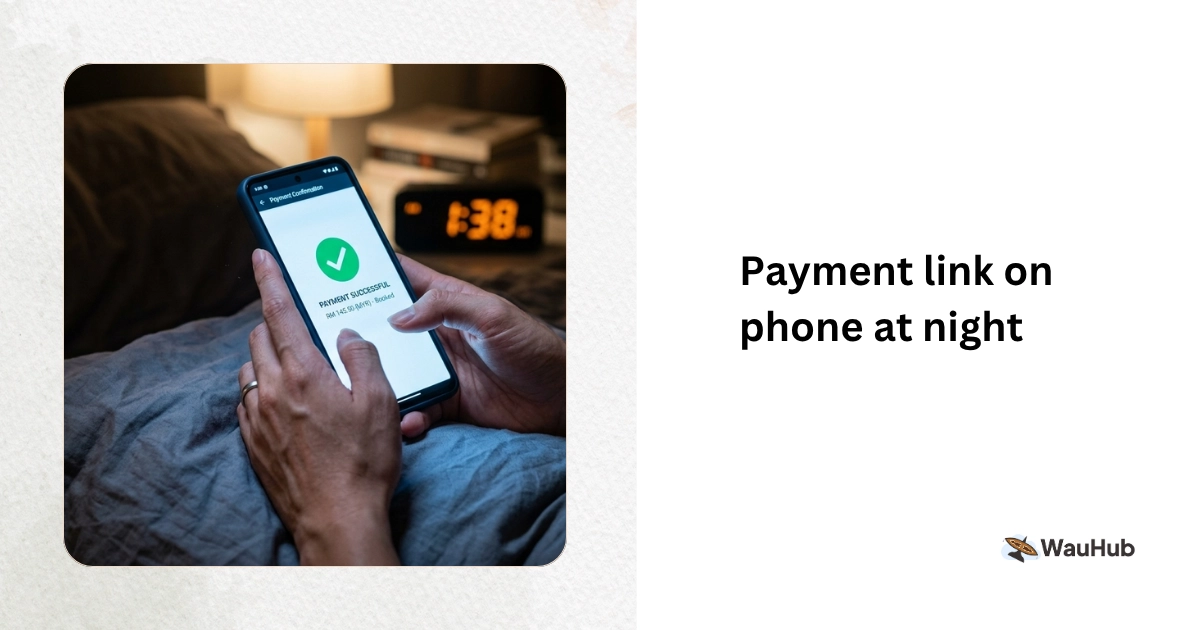
A customer received your quotation at 5 PM. They discussed it with their spouse over dinner. At 11 PM, they decide to book. They click the payment link, pay via FPX, and the system confirms everything automatically.
If you relied on manual bank transfers, this customer would have to wait until tomorrow. By tomorrow, they might change their mind.
Automatic Lead Capture
Leads from Facebook ads, Instagram, and your website are captured automatically into your system. Assigned to the next available consultant based on your routing rules. Ready for follow-up when the team starts their shift.
No leads lost overnight. No leads sitting in a WhatsApp chat that nobody checks.
The Cost Advantage of Flexible Hours
Flexible shifts actually cost less than traditional office hours, especially now with fuel prices at record highs:
| Cost Factor | Traditional 9-6 (Office) | Flexible Shifts (WFH) |
|---|---|---|
| Office hours needed | Full day, every day | Morning only, some days |
| Overtime pay | Frequent (to cover evenings) | None (shifts are planned) |
| Staff commute fuel | 20 trips/week (full team) | 4-6 trips/week |
| Office electricity | Full day AC and lights | Half day or less |
| Missed leads (after hours) | Most evening enquiries | Very few |
| Staff burnout and turnover | High | Low |
| Weekend coverage | Unpaid informal work | Fair rotation from home |
The biggest saving is not in direct costs. It is in the bookings you stop losing. Think about how many WhatsApp messages your agency gets after 6 PM that go unanswered until the next morning. Each one is a potential booking that your competitor might grab first.
Even capturing a few extra bookings per month from evening and weekend leads adds up fast. Same team, same marketing spend, same effort. Just different hours, from home.
How to Implement Flexible Hours
Week 1: Analyse Your Lead Timing
Before changing anything, look at your data. When do your leads come in? When do customers respond to quotations? When do payments happen?
If you do not have this data, start tracking it manually for two weeks. Note the time of every WhatsApp enquiry.
Week 2: Design Your Shift Model
Based on your data, design shifts that cover your peak hours. Start simple. You can always adjust.
Week 3: Set Up the Technology
Your team needs:
- Cloud-based system accessible from phone, iPad, and laptop
- Clear lead assignment rules so evening shift knows what to handle
- Handover notes between shifts (system-based, not verbal)
- Payment links that work without human intervention
Week 4: Trial Run
Run the new schedule for one month. Track:
- Response times (should improve dramatically for evening enquiries)
- Lead conversion rate (should increase)
- Staff satisfaction (should improve)
- Bookings from after-hours leads (new revenue)
- Fuel savings (ask your team to compare their petrol spending)
Adjust based on results. Most agencies find the sweet spot within 4 to 6 weeks.
Real Talk: Managing a Flexible Team
Flexible hours require more trust and better systems. Here are the common challenges and solutions:
“How do I know the evening person is actually working?”
Same answer as remote work: track results, not hours. Leads responded to, quotations sent, bookings closed. The system logs everything with timestamps.
“What about team communication?”
Use the 1-hour overlap between shifts for handover. System notes replace verbal handovers. “Customer Puan Aisyah is deciding between Bali and Phuket. She prefers beach resorts. Follow up tomorrow morning.” The next consultant has full context.
“What if there is an emergency?”
Define what counts as an emergency (customer stranded abroad, supplier cancellation affecting tomorrow’s departure) versus what can wait (customer asking about pricing, general enquiry). Emergencies get escalated via phone call. Everything else waits for the next shift.
“My staff want fixed hours”
Some will. And that is fine. Not everyone needs to be on flexible hours. Your morning team can work standard 9 to 5. Add one or two people on evening or staggered shifts from home. Start with volunteers. When they see the fuel savings and the work-life balance, others will follow.
Coming Up in This Series
- Part 1: Diesel RM6.02, Minyak Naik: How Travel Agencies Can Cut Costs
- Part 2: How Travel Agency Teams Can Work From Home (Save on Petrol)
- Part 4: The RM500 vs RM5,000 Agency: Why Efficient Agencies Earn More Profit Per Booking
Ready to capture bookings around the clock?
WauHub works on phone, iPad, and laptop. Your evening shift consultant can manage leads, send quotations, and collect payments from their sofa. No petrol needed. Payment links and product pages work 24/7 even when your team is asleep.
We will show you how flexible shifts and automation can increase your bookings without increasing your costs or your fuel bill.